

Waterproof Dog Gear for Rainy Hikes: A Complete Guide
Table of Contents
- Why Waterproof Dog Gear Matters on Rainy Hikes
- Choosing the Best Waterproof Dog Jacket for Hiking
- Waterproof Dog Leash Options for Trail Use
- Waterproof Dog Collar Selection and Harness Compatibility
- How to Keep a Dog Dry on a Hike: Layering and Protection
- Waterproof Materials and Durability Standards
- Complete Rainy-Hike Kit Setup: Putting It All Together
- Post-Hike Care and Maintenance
- Frequently Asked Questions
Last Updated: October 5, 2026
Why Waterproof Dog Gear Matters on Rainy Hikes
Rainy hikes expose your dog to prolonged water, cold, mud, and wind, quickly turning an adventure miserable. Without proper waterproof dog gear, your dog becomes soaked and at risk of hypothermia or infection from moisture trapped against their skin. Protecting your dog on the trail isn't just comfort, it's safety.
The best waterproof dog gear for rainy hikes repels water, maintains body heat, protects paws, and allows freedom of movement. Unlike casual walks, hiking demands gear that performs under sustained moisture and temperature drops.
Choosing the right waterproof dog jacket, leash, collar, and accessories means understanding how each piece works together. A jacket alone won't keep paws dry, and a leash without water resistance becomes heavy when wet. Select gear designed for trail conditions, not everyday rain protection.
Choosing the Best Waterproof Dog Jacket for Hiking
A quality waterproof dog jacket is the foundation of your rainy-hike kit, protecting the torso, back, and sides. Look for breathable, durable materials that let moisture escape while blocking water.
The best waterproof dog jacket for hiking needs reinforced seams, an adjustable fit that won't slip, and lightweight construction that doesn't restrict gait. Avoid heavy, bulky jackets that tire your dog and hinder temperature regulation.
Lightweight vs. Insulated Options
Lightweight waterproof jackets suit mild rain above 50°F. They weigh under a pound, pack easily, and offer excellent mobility, ideal for dogs who overheat or shorter hikes.
Insulated waterproof jackets add fleece or synthetic lining for cold, wet conditions. Choose them below 50°F or for thin-coated dogs. The trade-off is reduced mobility and added weight, but thermal protection prevents hypothermia on longer hikes.
Many hikers carry both types and choose based on the forecast. A lightweight jacket for cool rain, an insulated jacket for cold downpours.
Coverage, Fit, and Freedom of Movement
Full-body coverage matters more on the trail. A jacket extending from neck to tail base and wrapping the chest gives maximum protection, but excessive coverage restricts movement and causes chafing.
The fit should be snug enough not to shift during climbing or jumping, but loose enough for free leg movement. Most quality waterproof dog jackets use adjustable straps or elastic panels. Test by having your dog walk, trot, and climb stairs without the jacket riding up or twisting.
Freedom of movement is non-negotiable. A poorly fitting jacket that restricts stride increases injury risk and exhausts your dog faster.
Waterproof Dog Leash Options for Trail Use
Your leash is your primary connection on the trail, and a waterproof dog leash handles moisture far better than fabric or leather. Cotton and nylon absorb water, becoming heavy and prone to mildew; waterproof leashes resist moisture and dry quickly.
Rope-based waterproof leashes offer excellent grip when wet, ideal for steep terrain. Biothane (synthetic rubber) leashes are lightweight, easy to clean, and stay flexible in cold. Both resist odor and bacterial growth.
Length matters: a 4-6 foot leash gives freedom while keeping your dog close. Longer leashes tangle on brush; shorter ones limit navigation on challenging terrain.
Look for reinforced stitching or welded attachment points rather than standard knots, since hiking puts more strain on connections than casual walks.
Waterproof Dog Collar Selection and Harness Compatibility
Your dog's collar serves two trail purposes: identification and a secure leash attachment. A waterproof dog collar resists moisture, maintains flexibility, and won't harbor bacteria or odor.
Nylon collars with waterproof coatings work adequately, but Biothane collars excel when wet: fully waterproof, easy to rinse, and they keep their shape and strength. Avoid leather, which absorbs water, stiffens, and deteriorates.
For hiking, consider a harness in addition to or instead of a collar. A well-fitted harness distributes pulling force across the chest and back rather than the neck, reducing injury risk on steep terrain and providing better control.
Ensure collar and harness are compatible: the collar snug without restricting breathing, the harness allowing natural movement without rubbing. Test on shorter hikes first.
How to Keep a Dog Dry on a Hike: Layering and Protection
Keeping your dog dry involves more than a waterproof jacket. Layering a waterproof outer shell over moisture-wicking inner layers manages moisture better than one heavy jacket.
Start with a moisture-wicking base layer for thin-coated dogs or cold conditions. Merino wool or synthetic blends pull sweat from the skin, preventing the damp-cold feeling that leads to hypothermia. Add the waterproof jacket over it.
After the hike, dry your dog thoroughly: trapped moisture promotes bacterial growth, fungal infections, and odor. Towel-dry, then air dry in a warm space; a low-heat blow dryer speeds things up for long-haired dogs.
Paw Protection and Traction on Wet Trails
Your dog's paws take the most contact with mud, water, and slippery surfaces. Waterproof booties protect pads from sharp rocks, ice, and salt while improving traction. Look for reinforced soles that grip without changing your dog's gait.
Fit is critical: loose booties slip off, tight ones blister or restrict circulation. Most quality booties use adjustable closures in multiple sizes. Measure paws carefully and test on a short walk first.
Not all dogs tolerate booties initially. Introduce them gradually, wearing them around the house for short periods before the hike. Many dogs adapt quickly once they experience the comfort and traction improvement.
Paw wax offers an alternative or complement to booties. Applied to paw pads before the hike, it repels moisture and improves traction. Paw wax doesn't restrict movement like booties and works well for dogs who resist wearing them. Reapply after a few miles or when you notice it wearing away.
Wind, Cold, and Mud Defense
Wind amplifies the cooling effect of rain and wet fur. A windproof outer layer, incorporated into quality waterproof jackets, blocks wind while allowing moisture to escape. Check that your jacket's material resists wind penetration, not just water.
Cold combined with wet is the primary threat to your dog's health on rainy hikes. Hypothermia can develop quickly, especially in small dogs or those with thin coats. An insulated waterproof jacket becomes essential when temperatures drop below 50°F or when rain is expected to last more than an hour.
Mud is inevitable on wet trails, but it's manageable. Waterproof gear prevents mud from soaking into your dog's coat and skin. After the hike, rinse your dog with a hose to remove excess mud before it dries. Dried mud is harder to remove and can mat long-haired coats.
Waterproof Materials and Durability Standards
Not all "waterproof" materials perform equally. Understanding the difference between water-resistant and truly waterproof gear helps you choose products that will last through multiple seasons of hiking.
Water-resistant materials (typically nylon with a coating) shed light rain but eventually absorb water under sustained moisture. Truly waterproof materials (Biothane, sealed neoprene, or heavily treated fabrics) block water penetration even when submerged. For hiking, waterproof is the better choice.
Sealed or taped seams are critical. Water doesn't just enter through the fabric, it seeps through stitching holes. Quality waterproof dog gear uses sealed seams or welded construction to eliminate this vulnerability. Check product descriptions for seam-sealing details before purchasing.
Durability depends on material quality and construction. Reinforced stress points (where leashes attach, where jackets fasten) should use heavy-duty stitching or welding. Zippers should be corrosion-resistant, ideally plastic or stainless steel rather than standard metal that rusts.
Look for gear that's easy to clean and maintain. Machine-washable options simplify post-hike care, and materials that dry quickly prevent mildew and odor. Biothane, for example, can be wiped clean or rinsed and dries within hours.
Complete Rainy-Hike Kit Setup: Putting It All Together
A complete rainy-hike setup coordinates all the pieces into a functional system. Start with a well-fitted waterproof jacket that allows full movement. Add a waterproof collar and leash for secure, comfortable control. Include waterproof booties or paw wax for traction and protection.
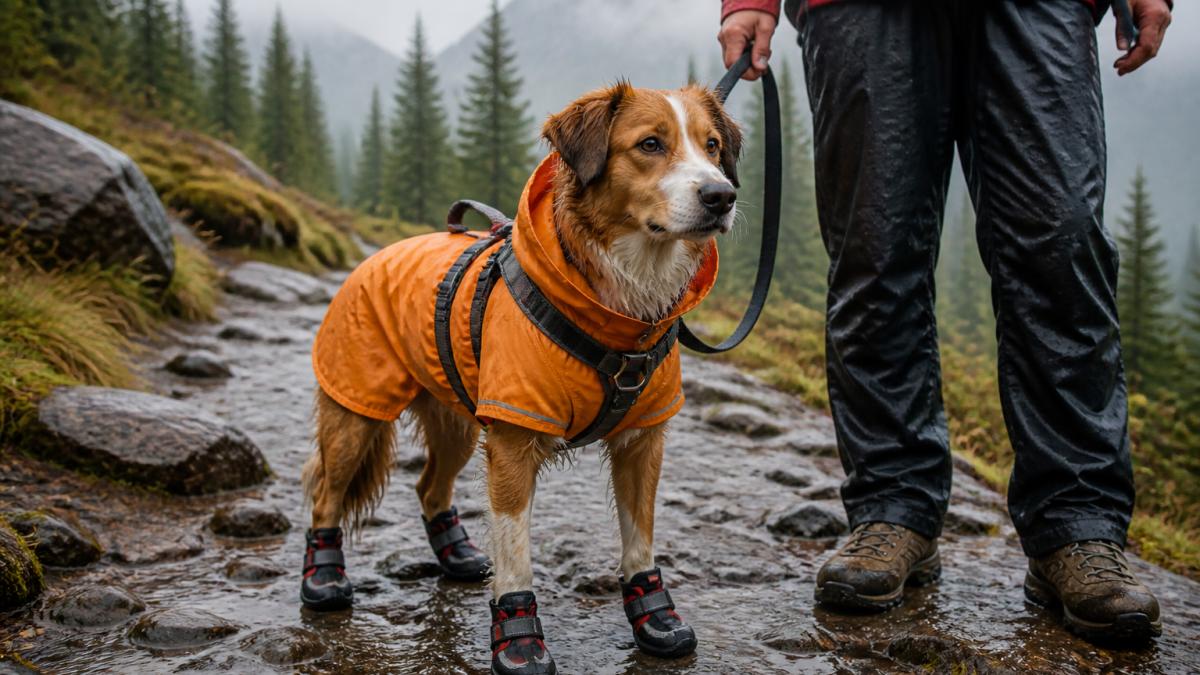
For cold conditions, layer a moisture-wicking base under the jacket. Pack a microfiber towel for quick drying if you'll be stopping to rest.
Test the complete setup on a short, easy hike before tackling challenging terrain. Your dog needs to adjust to wearing multiple pieces of gear, and you need to confirm everything fits and functions as expected. Make adjustments based on how your dog moves and responds.
Paws N Whiskers Co. offers a curated selection of high-quality pet products designed to treat your furry family members with the care they deserve. Our selection includes jackets, leashes, collars, and accessories.
Post-Hike Care and Maintenance
Proper care extends the life of your waterproof dog gear and keeps your dog healthy. After every hike, rinse your dog with a hose to remove mud and debris.
For the gear itself, wipe down waterproof jackets and leashes with a damp cloth to remove dirt and salt. Allow everything to air dry completely before storing.
Inspect gear regularly for damage. Small tears in waterproof jackets can be patched with waterproof repair tape. Fraying on leash edges should be trimmed or sealed with fabric glue. Corroded metal hardware should be replaced.
Machine wash booties and base layers according to manufacturer instructions. Most quality hiking gear tolerates machine washing on gentle cycles with cold water. Hang dry rather than using a dryer, which can damage waterproof coatings.
Store gear in a cool, dry place away from direct sunlight. UV exposure degrades waterproof coatings over time. A storage bin in a closet or garage works better than leaving gear exposed in a vehicle or shed.
Keeping your dog safe and comfortable on rainy hikes requires gear that actually performs in wet conditions. A waterproof dog jacket, durable leash, protective collar, and paw protection form the foundation of trail readiness.
| Gear Component | Primary Function | Key Feature | Best Condition |
|---|---|---|---|
| Waterproof Jacket | Core body protection | Sealed seams, adjustable fit | Cold rain, extended exposure |
| Waterproof Leash | Control and connection | Quick-drying material | All wet conditions |
| Waterproof Collar | Identification and attachment | Moisture-resistant | All weather |
| Booties or Paw Wax | Paw protection and traction | Reinforced grip soles | Mud, sharp terrain, ice |
| Moisture-wicking Base | Heat retention | Synthetic or merino blend | Below 50°F temperatures |
Frequently Asked Questions
Should dogs wear raincoats on hikes?
Yes, waterproof dog jackets protect against water exposure, wind chill, and mud on rainy hikes. They're especially important for smaller dogs, short-haired breeds, and dogs with sensitive skin. A well-fitted raincoat keeps your dog dry and comfortable, reducing the risk of hypothermia and skin irritation from prolonged wetness. Choose one that allows full freedom of movement and fits snugly without restricting your dog's gait.
What is the best rain gear for dog walking?
The best rain gear combines a waterproof jacket with a water-resistant leash, collar, and paw protection. Look for jackets with breathable outer fabric, adjustable straps, and reflective trim for visibility on dark, wet days. Pair this with a waterproof leash that resists odor and mildew, and consider booties to protect paws from mud and cold surfaces. Layering lightweight options works better than one heavy coat for most hiking conditions.
How do I keep my dog warm and dry on a wet trail?
Layer your dog's gear strategically: start with a lightweight, breathable base layer if needed, add a waterproof outer jacket, and include paw booties for traction and insulation. Ensure the waterproof suit covers the back, sides, and chest fully. After the hike, dry your dog thoroughly with a towel and allow the jacket to air-dry completely to prevent odor and mildew. Choose insulated options for cold, wet weather and lightweight versions for mild rain.
Are waterproof dog leashes better for hiking in the rain?
Waterproof dog leashes resist water absorption, preventing mildew, odor, and degradation from repeated wet exposure. They maintain better grip in rain and dry faster than fabric leashes. Check that your waterproof leash is compatible with your dog's harness and collar setup, and verify it has secure attachment points. Reflective waterproof leashes add visibility on dark, rainy trails, improving safety during low-light conditions.